Discover the fascinating history, functions, and significance of the Mumbai Mint in India. Learn about its role in coin production, security features, collectible coins, and its importance in the nation’s economy.
Mumbai Mint – History, Legacy, and Role in India’s Coinage
Introduction to Mumbai Mint
When we think about money, most of us imagine notes or digital payments, but coins still play a critical role in daily transactions. Have you ever wondered where these coins come from? In India, one of the most important institutions responsible for producing coins is the Mumbai Mint. This mint is not just a factory; it’s a guardian of India’s financial heritage, ensuring that coins are authentic, durable, and secure.
The Mumbai Mint is a branch of the India Government Mint, which operates under the Security Printing and Minting Corporation of India Limited (SPMCIL). It is among the oldest mints in the country and continues to be vital in the production of currency coins. The role of the mint is often overlooked because coins appear so ordinary in our pockets. Yet, behind every coin lies a carefully controlled process involving metallurgy, security, and precision engineering.
For everyday people, Mumbai Mint matters because it keeps the coin supply steady. Imagine traveling by train or buying vegetables from a local market—without coins, such transactions would become frustrating. Despite the growth of UPI and digital wallets, coins remain a backbone for small purchases and rural economies. The Mumbai Mint ensures this backbone is strong and reliable.
In short, Mumbai Mint is not just about producing metal discs—it is about safeguarding economic trust, maintaining traditions, and representing India’s sovereignty in every coin it produces.
Historical Background of Mumbai Mint
The story of Mumbai Mint stretches back to the colonial period. Established by the British in 1824, the mint was set up to standardize coinage in India. Prior to this, local rulers, princely states, and trading companies issued their own currencies, leading to confusion and inconsistency. The British realized that a centralized mint was essential for smooth trade and administration.
The Bombay Mint, as it was originally called, began its operations in 1829. It started by producing silver and copper coins for circulation, ensuring they carried uniformity and trustworthiness across the region. Over time, it expanded to include gold coins as well. During the colonial era, coins carried the effigies of British monarchs, symbolizing imperial authority.
After India gained independence in 1947, the mint underwent a transformation. The British monarch’s portrait was replaced with symbols of the Indian Republic, such as the Lion Capital of Ashoka, which remains an iconic emblem today. The Mumbai Mint also started issuing commemorative coins that celebrated national leaders, independence anniversaries, and cultural heritage.
Key milestones include:
- 1947–1950: Transition from colonial coinage to independent India’s coin designs.
- 1957: Decimalization of the Indian currency system, where the old anna system was replaced with paise.
- 2000 onwards: Introduction of advanced minting technologies to prevent counterfeiting.
Today, Mumbai Mint stands as both a historical landmark and a functioning institution, blending tradition with modernity.
Location and Structure of the Mumbai Mint
The Mumbai Mint is located in Byculla, Mumbai, one of the city’s oldest and most historic areas. Its strategic position near the port was chosen to ensure easy import of metals and transport of finished coins during the British era. Even now, its location serves as a reminder of its colonial roots and continued relevance.
Architecturally, the mint reflects a combination of colonial industrial design and functional modern structures. Inside, the facility houses state-of-the-art machinery, vaults, and high-security zones where metals are melted, pressed, and stamped into coins. Entry is highly restricted, and only authorized personnel can access production areas. This ensures the integrity and secrecy of the minting process.
The campus also includes administrative offices, laboratories for metal testing, and secure storage facilities. Stringent security protocols, including surveillance systems and armed guards, ensure that every coin produced is protected from tampering or theft.
For many locals in Mumbai, the mint is a familiar landmark, but very few get a chance to see its interiors due to strict access restrictions. Unlike some international mints that offer guided tours, the Mumbai Mint is not open to the general public. However, its presence in Byculla adds to the city’s cultural and historical significance.
Functions of the Mumbai Mint
At its core, the Mumbai Mint has one central function—producing coins for India’s circulation. But its role goes far beyond that. The mint handles multiple specialized tasks that are crucial to India’s economy and heritage.
1. Circulating Coins
The mint manufactures coins in various denominations, from the smallest values like ₹1 to higher denominations like ₹10. These coins are distributed across the country through the Reserve Bank of India (RBI). Each coin undergoes strict quality control to ensure consistency in weight, size, and metallic composition.
2. Commemorative Coins
One of the most fascinating aspects of the Mumbai Mint is its production of commemorative coins. These coins are issued to celebrate special occasions such as independence anniversaries, significant historical events, or the birth centenaries of national leaders. While some commemorative coins are available for circulation, many are produced in limited numbers for collectors.
3. Medallions and Special Minting
Apart from coins, Mumbai Mint also produces medallions and tokens. These may be used for awards, cultural events, or government ceremonies. Each medallion is designed with intricate artistry and carries a sense of prestige.
4. Support for National Projects
The mint also plays a role in producing medals and tokens for government programs, defense honors, and international collaborations.
In essence, the Mumbai Mint is not just a facility for churning out coins—it’s a hub of precision craftsmanship, security, and national symbolism.
Technology and Machinery at the Mumbai Mint
Over the years, the Mumbai Mint has evolved from manual machinery to advanced automated systems. In the early days, coins were struck using large presses powered by steam engines. Workers manually fed metal blanks into the presses, and coins were struck one by one. While this was revolutionary for its time, it was also labor-intensive and prone to inconsistencies.
Today, the mint uses computer-controlled high-speed presses that can produce thousands of coins per hour. These machines ensure uniformity and precision, making counterfeiting extremely difficult. Modern technology also allows for embedding microscopic details and security features in coins, which the naked eye might miss but experts can verify.
The process typically involves:
- Metal Blanking – Cutting metal sheets into small, round blanks.
- Annealing – Heating the blanks to soften them.
- Striking – Pressing designs onto both sides with immense pressure.
- Inspection – Checking each batch for accuracy.
In addition, specialized software is used to design coin patterns, ensuring they are both aesthetically appealing and resistant to duplication.
The shift toward modern machinery also reflects India’s broader movement toward “Make in India” and digital efficiency. By upgrading its facilities, Mumbai Mint ensures that Indian coinage remains competitive with global minting standards.
Mumbai Mint and Indian Currency System
Coins are more than just pieces of metal; they are a fundamental part of India’s currency system. The Mumbai Mint plays a vital role in ensuring that coins remain available, reliable, and standardized for everyday use.
In India, both coins and currency notes circulate side by side. While notes dominate higher denominations, coins are essential for smaller values. They are durable, convenient, and widely accepted, especially in rural and semi-urban areas where digital payments have not fully penetrated.
Coins Versus Currency Notes
One major advantage of coins is their lifespan. A paper note of ₹10 may last only about a year, whereas a ₹10 coin can remain in circulation for decades. This makes coins cost-effective in the long run. Mumbai Mint, along with other mints, ensures that these coins meet strict durability standards, capable of withstanding rough handling.
Denominations Produced
The Mumbai Mint is responsible for producing coins in multiple denominations, including:
- ₹1, ₹2, ₹5, and ₹10 for circulation.
- Lower denominations such as 50 paise, although less common today.
- Special higher-denomination coins released for commemorative purposes.
Every coin undergoes an official approval process by the Reserve Bank of India (RBI) and the Ministry of Finance before being minted. The design, size, and weight are carefully chosen to ensure recognition and trust among the public.
Ensuring Circulation and Supply
The mint doesn’t just strike coins and store them. It works in close coordination with RBI to maintain the right supply of coins across the country. Coins produced in Mumbai often make their way to western and southern states, while other mints serve different regions.
In a way, the Mumbai Mint acts like a silent engine of the economy. We may not notice it, but every time we use a ₹5 coin at a tea stall or a ₹10 coin for bus fare, we are relying on the efficiency of this institution.
Commemorative Coins Issued by the Mumbai Mint
One of the most celebrated contributions of the Mumbai Mint is its commemorative coin program. These coins are not just currency; they are pieces of history, art, and culture preserved in metal.
Popular Commemorative Series
Over the decades, Mumbai Mint has produced coins to mark important occasions, including:
- Birth anniversaries of leaders like Mahatma Gandhi, Jawaharlal Nehru, and Subhas Chandra Bose.
- National milestones such as 50 years of independence or the adoption of the Constitution.
- Cultural events like the Commonwealth Games and anniversaries of iconic institutions.
Each coin carries a design that reflects the event’s significance, making it a collectible piece for history enthusiasts.
Coins with Collector’s Value
Some commemorative coins are released in limited numbers, instantly boosting their value in the numismatic market. Collectors often pay much higher prices than face value, depending on rarity and condition. For instance, the silver commemorative coins issued for Gandhi’s centenary remain highly sought after today.
National Events Honored Through Coins
Coins have also been issued to honor India’s scientific achievements, such as space research missions, and social reformers who shaped the nation’s identity. By doing so, the Mumbai Mint transforms coins into miniature historical documents.
In many ways, commemorative coins connect the past and present, reminding citizens of the country’s journey while adding richness to India’s coinage tradition.
Collectors and Numismatics
If you’ve ever held onto an old coin and wondered about its story, you’ve stepped into the world of numismatics. For collectors, the Mumbai Mint is a treasure trove.
Why Mumbai Mint Matters to Coin Collectors
Because it is one of India’s oldest operating mints, many historically significant coins have originated from Mumbai. This makes them highly desirable among collectors, both in India and abroad. Coins from different eras—British rule, early independence, and modern India—carry distinct designs, making them valuable as cultural artifacts.
Rare Coins and Their Value
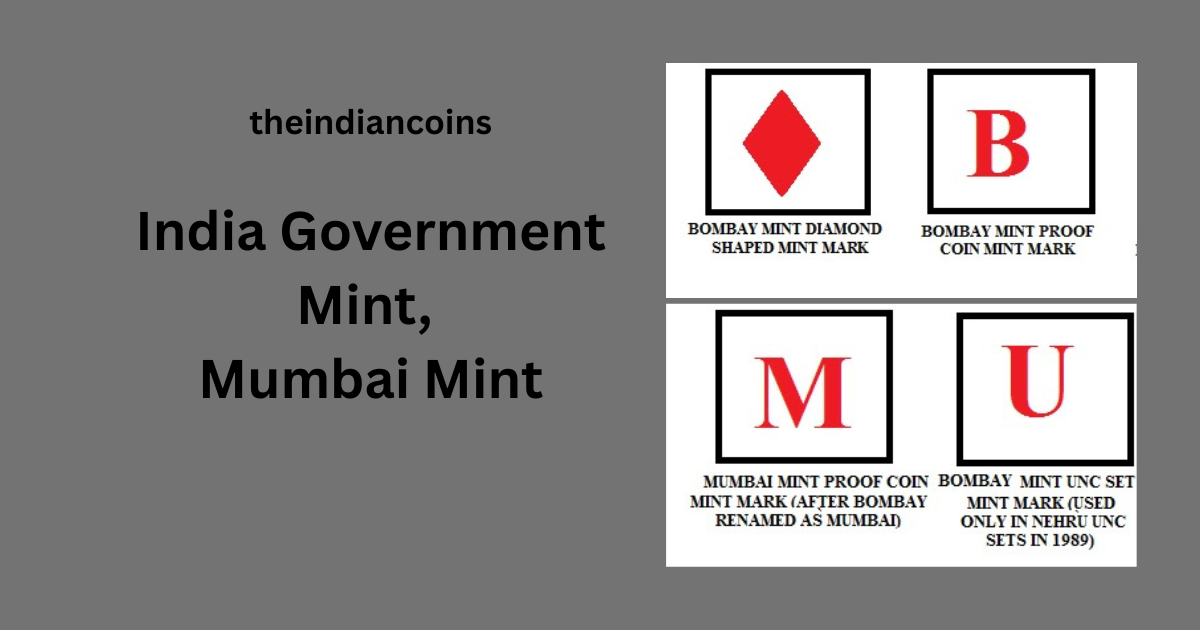
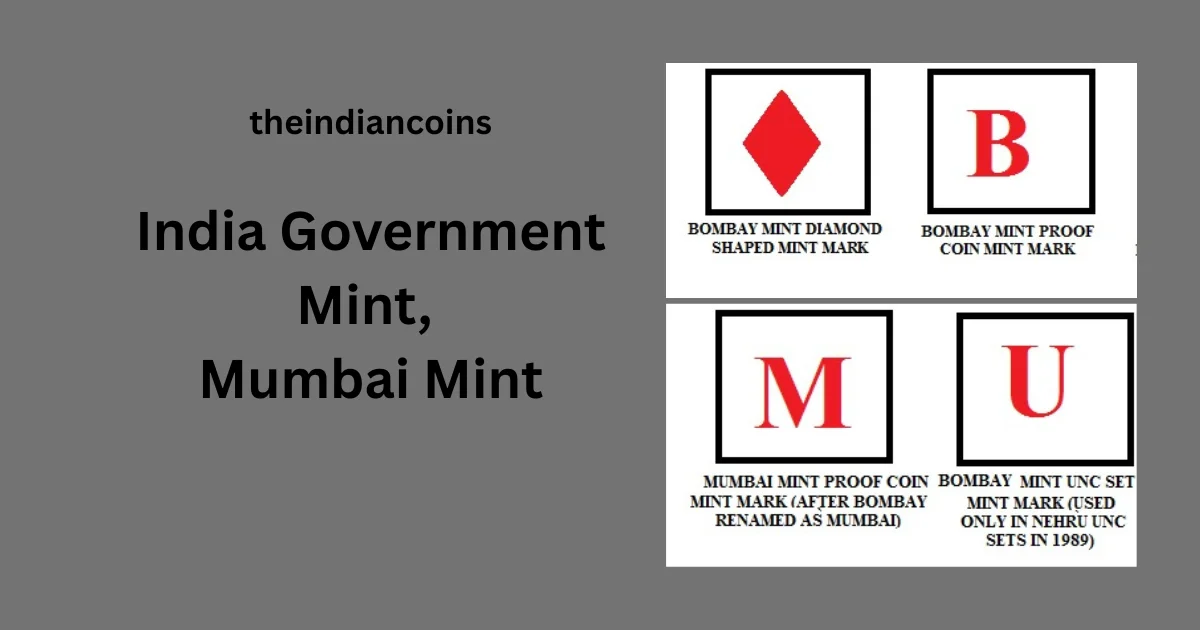
Some rare issues, especially those with minting errors or limited release, are now worth thousands of rupees. For example, certain ₹1 and ₹2 coins with unique markings from the Mumbai Mint are prized in auctions. The mint mark itself—often a small dot or symbol below the year—helps collectors identify a coin’s origin.
Promoting Numismatic Culture
The Mumbai Mint indirectly nurtures the numismatic community by producing commemorative coins and medallions. Collectors often purchase these through official channels, preserving them as keepsakes. Numismatics is not just a hobby; it is also an educational pursuit that teaches history, economics, and art through coins.
For many enthusiasts, each coin minted in Mumbai represents a tangible connection to India’s past and present. This makes the mint an important institution beyond its economic role.
Employment and Economic Significance
The Mumbai Mint is more than just a coin-making facility; it’s also an economic contributor and a source of livelihood for many.
Jobs Created by the Mint
The mint employs a large workforce that includes engineers, technicians, quality controllers, security staff, and administrative personnel. Every stage of coin production—metal refining, blank preparation, striking, inspection—requires skilled hands and technical expertise.
Additionally, the mint supports indirect employment by sourcing raw materials, transportation, packaging, and maintenance services. In this way, its impact spreads far beyond its immediate employees.
Contribution to Local and National Economy
By supplying coins efficiently, the Mumbai Mint ensures smooth functioning of India’s financial system. Without a reliable coin supply, retail transactions, transportation services, and daily markets would suffer disruptions. In fact, coins are often described as the “small gears” that keep the larger economic engine running.
Furthermore, commemorative coins sold at premium prices also bring additional revenue for the government. These sales support cultural initiatives while encouraging coin collection as a legitimate hobby.
Training and Expertise
The mint also invests in training programs for its workforce, ensuring that employees stay updated with the latest technologies. This builds a pool of expertise in fields like metallurgy, security design, and industrial engineering.
In short, the Mumbai Mint’s economic role is not limited to coins; it’s about empowering people, creating jobs, and supporting financial stability.
Challenges Faced by the Mumbai Mint
Like any long-standing institution, the Mumbai Mint faces its share of challenges in a rapidly changing world.
Counterfeiting Concerns
One of the biggest threats to coinage is counterfeiting. Although coins are harder to fake than paper notes, counterfeiters still attempt it. To combat this, Mumbai Mint has adopted advanced techniques like multi-metal compositions, edge lettering, and microscopic designs.
Rising Costs of Metal
The cost of raw materials like nickel, copper, and stainless steel has been increasing globally. This raises the cost of producing coins, sometimes making their production more expensive than their face value. For instance, minting a ₹1 coin can occasionally cost more than one rupee in material and production expenses.
Digital Payments Reducing Coin Demand
The rise of UPI, mobile wallets, and contactless payments has changed how people handle money. While coins remain essential in many sectors, their demand has gradually decreased in urban areas. This poses a long-term challenge for the mint, which must adapt to shifting financial habits.
Environmental Impact
Coin production involves energy-intensive processes like smelting and striking. The mint must balance production efficiency with sustainable practices to reduce its carbon footprint.
Despite these hurdles, Mumbai Mint continues to innovate and adapt, ensuring that coins remain relevant in India’s complex economy.
Mumbai Mint in the Modern Era
Over the past few decades, the Mumbai Mint has undergone remarkable changes to stay relevant in a rapidly digitizing economy. While its core responsibility remains the same—producing coins—it has embraced modernization to improve efficiency, security, and sustainability.
Adaptation to India’s Economic Reforms
With India’s shift toward a liberalized economy in the 1990s, the need for a strong financial system became more critical. The Mumbai Mint adapted by upgrading its equipment, introducing advanced metallurgy, and keeping pace with global minting standards. This allowed it to produce coins that matched international benchmarks in terms of quality and security.
During periods of inflation and changes in coin design, the mint quickly adjusted its operations. For example, when ₹10 coins were introduced with bimetallic designs, the Mumbai Mint played a major role in striking these complex pieces. These coins were not only functional but also harder to counterfeit.
Digital Integration and Modernization
The mint now uses computer-aided design (CAD) for creating intricate coin patterns. This ensures precision, faster approval, and the ability to embed micro-details that deter forgery. Automation has also minimized human errors, enabling the facility to produce millions of coins in shorter timelines.
Additionally, Mumbai Mint maintains digital records, making its operations more transparent and accountable. These systems also allow it to coordinate seamlessly with the Reserve Bank of India, ensuring smooth distribution.
Relevance in the 21st Century
Even with the rise of digital payments, Mumbai Mint continues to remain relevant. Coins are still the foundation of micro-transactions in India. For street vendors, bus conductors, toll booths, and even temple donations, coins are indispensable. The mint’s modernization ensures that this need is consistently met.
Thus, Mumbai Mint is not just a relic of history but a modern institution adapting to the changing economic landscape.
Comparison with Other Mints in India
India has four major mints: Mumbai, Kolkata, Hyderabad, and Noida. Each has its unique history, regional role, and production capacity. Understanding how they compare helps highlight Mumbai Mint’s special place in the system.
Kolkata Mint
Established in 1757, Kolkata Mint is the oldest of all and carries the legacy of being the first modern mint in India. It has issued coins since the British East India Company era and remains a vital part of India’s coin production.
Hyderabad Mint
The Hyderabad Mint, set up in the early 20th century, plays a crucial role in serving southern India. It is known for its large-scale production capacity and also issues commemorative coins.
Noida Mint
Noida Mint is the newest, established in the 1984, and is equipped with highly modern facilities. It is primarily focused on meeting the growing demand for coins in northern India.
Why Mumbai Stands Out
While all four mints serve the same national purpose, Mumbai Mint stands out because of:
- Its strategic location near the western coast, ideal for logistics.
- Its historical legacy as one of the oldest operating mints.
- Its technological upgrades that keep it globally competitive.
Together, these mints form the backbone of India’s coinage system, but Mumbai remains central due to its balance of tradition and modernization.
Mumbai Mint and Global Recognition
The importance of Mumbai Mint isn’t confined to India alone; it has earned recognition in the international minting community as well.
International Collaborations
Mumbai Mint has occasionally collaborated with global organizations to produce special coins and medallions. These collaborations not only highlight India’s technical prowess but also strengthen its cultural diplomacy. For instance, commemorative issues celebrating international events have often carried the Mumbai Mint’s stamp of craftsmanship.
Coins Recognized Worldwide
Indian coins, particularly commemorative issues, are collected across the world. Numismatic societies in Europe, the United States, and Asia often feature Mumbai Mint coins in exhibitions. This global demand enhances India’s visibility in the numismatic market.
India’s Place in Global Minting
By consistently meeting international standards, Mumbai Mint has positioned India as a serious player in the global minting industry. Its ability to strike intricate designs, maintain durability, and embed security features matches some of the world’s leading mints.
In essence, Mumbai Mint is not only a domestic institution but also a global representative of India’s financial and cultural strength.
Future of Mumbai Mint
Looking ahead, Mumbai Mint is preparing for challenges and opportunities that the future holds.
Sustainable Minting Practices
With growing environmental awareness, the mint is exploring eco-friendly production methods. This includes recycling metals, reducing energy consumption, and adopting greener technologies. Such initiatives align with India’s commitment to sustainability and responsible industry practices.
Innovations on the Horizon
The future may see coins with enhanced digital features. Some countries have already experimented with coins embedded with smart technology. Mumbai Mint could adopt similar innovations, ensuring coins remain relevant even in an increasingly digital financial ecosystem.
Future Role in Indian Economy
Even though digital payments are booming, coins will not disappear. Instead, their role may evolve. They will continue to support rural economies, small traders, and cash-based communities. Mumbai Mint will thus remain a trusted institution, ensuring that these needs are met effectively.
In short, the Mumbai Mint’s future lies in balancing tradition with innovation—preserving its historic role while embracing the demands of tomorrow.
Conclusion
The Mumbai Mint is more than just a coin factory. It is a symbol of India’s economic resilience, cultural pride, and technological progress. From its colonial beginnings in 1829 to its modern role in producing secure, high-quality coins, the mint has been a constant in India’s financial journey.
It has celebrated India’s leaders, achievements, and milestones through commemorative coins. It has supported millions of small transactions that keep the economy moving. It has created jobs, contributed to national revenue, and established India’s credibility on the global minting stage.
As India moves deeper into the digital age, the Mumbai Mint continues to adapt, proving that coins—though small—carry immense weight in shaping economic stability. Whether in your pocket or in a collector’s showcase, every coin tells a story, and many of those stories begin at the Mumbai Mint.
FAQs
1. When was Mumbai Mint established?
The Mumbai Mint was established in 1829 during British rule and has been producing coins for circulation ever since.
2. Can the public visit the Mumbai Mint?
No, the Mumbai Mint is not open to the general public due to strict security measures, unlike some international mints that allow tours.
3. What metals are used in coin production?
Coins are typically made from metals such as stainless steel, nickel-brass, copper, and sometimes silver for commemorative issues.
4. Which commemorative coins are most famous from Mumbai Mint?
Notable commemorative coins include those celebrating Mahatma Gandhi’s centenary, 50 years of independence, and major national achievements.
5. What is the difference between Mumbai Mint and other mints in India?
While all four mints produce coins, Mumbai Mint stands out for its historical legacy, advanced technology, and strategic coastal location.